Sandvik / Tamrock
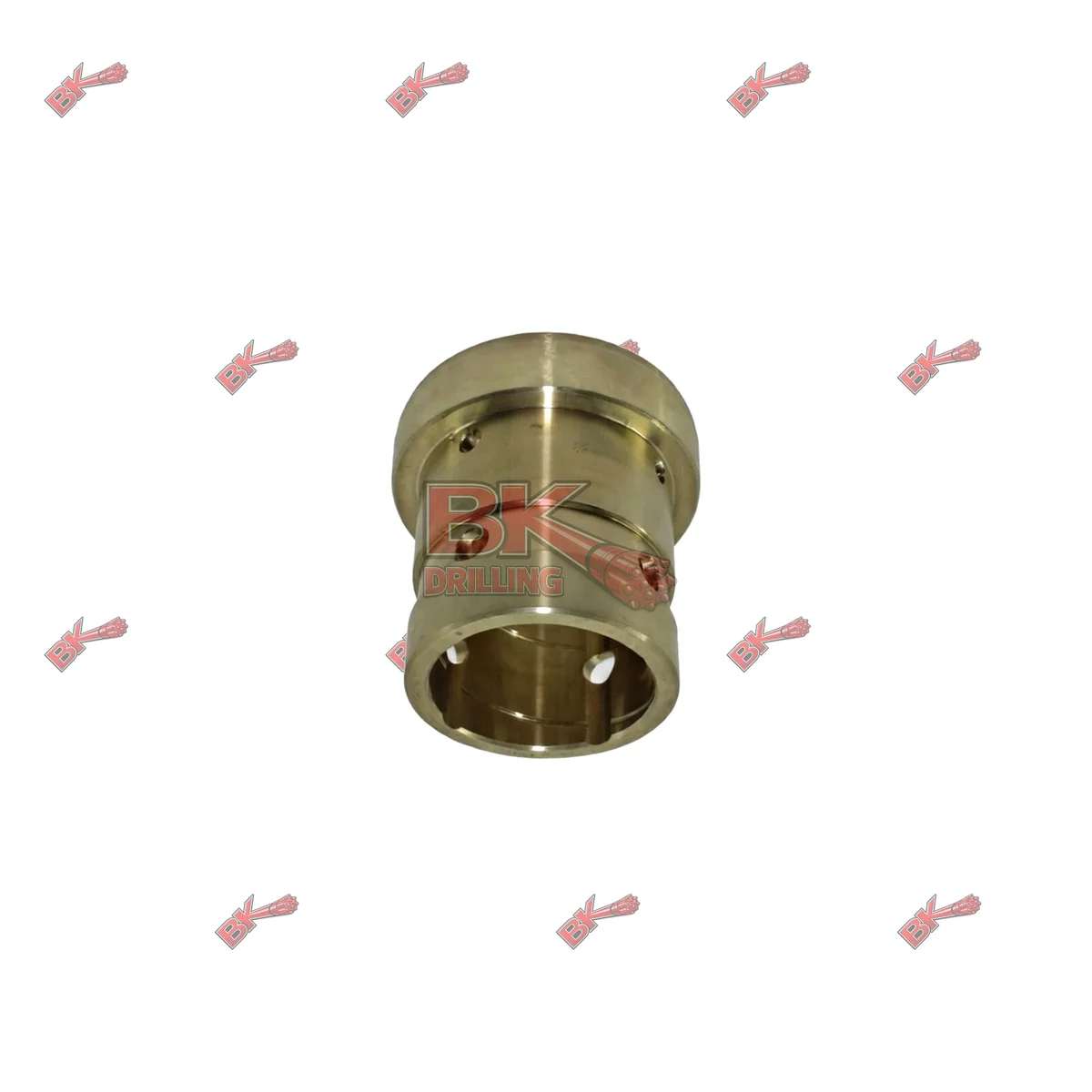
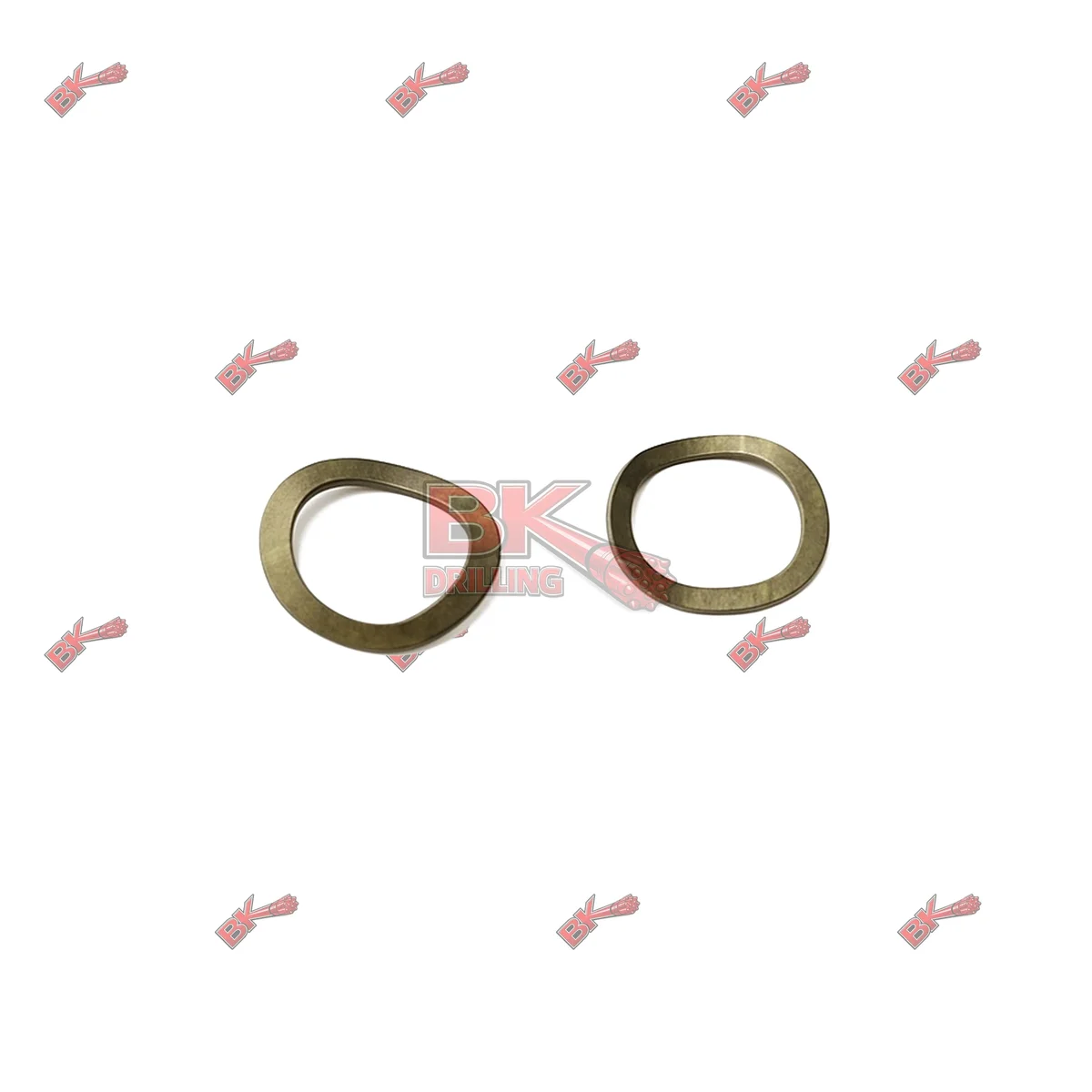
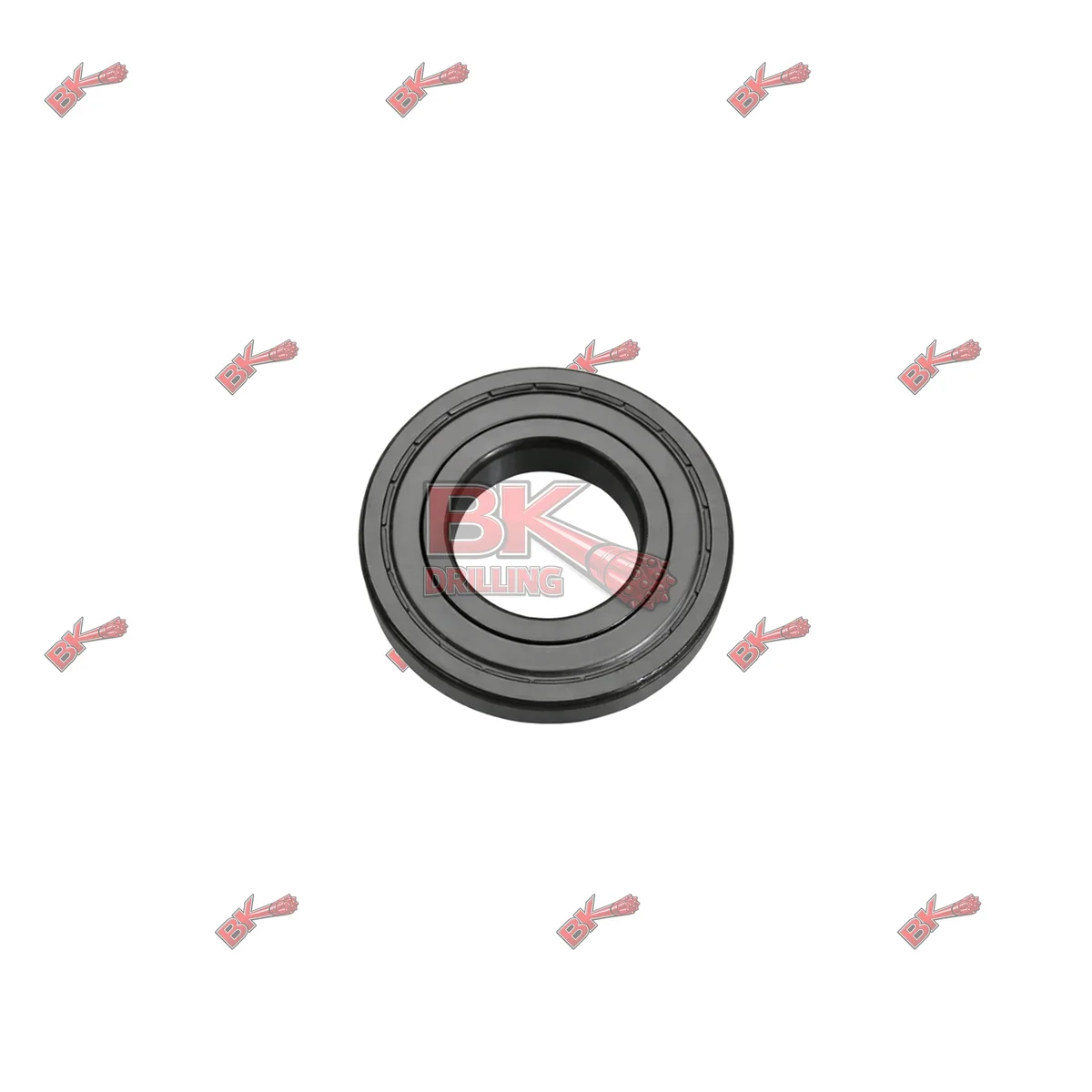
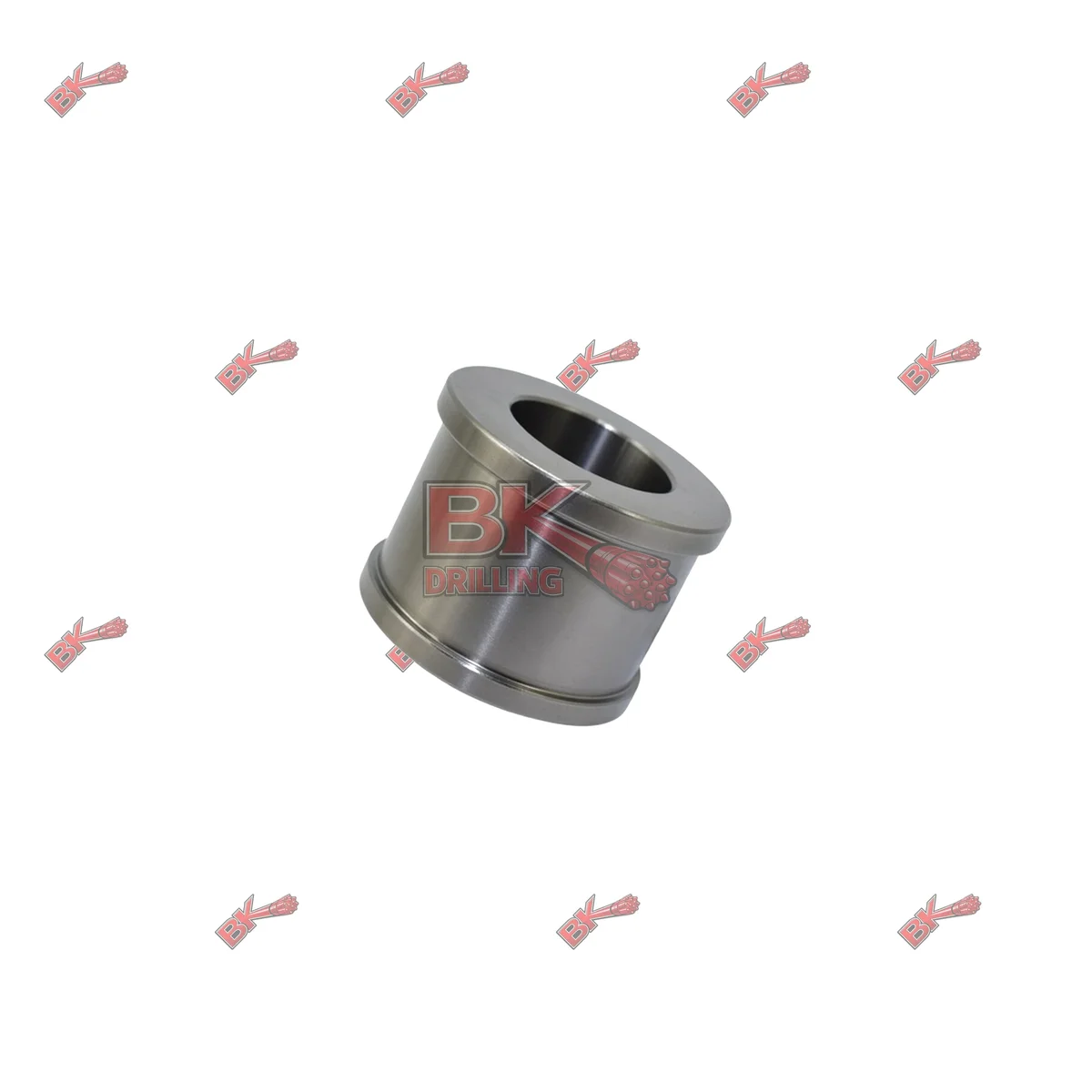
AF 210 100 90a Bearing, Deep Groove BallRodamiento
Repuesto para perforadora (rock drill)
| Número de pieza | AF 210 100 90a |
| Descripción | Bearing, Deep Groove Ball |
| Marca | Sandvik (Tamrock) |
| Conjunto | Service Kit |
| Tipo | Repuesto para perforadora (rock drill) |
Respuesta rápida
AF 210 100 90a (también escrito AF21010090a, AF-210-100-90a, o AF.210.100.90a) es un repuesto Sandvik bearing, deep groove ball utilizado en el conjunto "Service Kit" del Sandvik DD321-40 (repuestos de perforación / piezas de perforación). Compatibilidad verificada con 11 modelos de máquinas Sandvik incluyendo DD321-40, DD321-40C, DD421-60. Utilizado en 4 configuraciones de perforadora (HLX5, RD520, RD525). Disponible como repuesto aftermarket de BK Drilling — proveedor con base en Turquía de repuestos Sandvik y Epiroc para contratistas mineros en todo el mundo. Cotización por WhatsApp; plazo típico de entrega 3-7 días para artículos en stock.
Formas alternativas del código de pieza: AF21010090a, AF 210 100 90a, AF-210-100-90a.
Máquinas compatibles
11
Configuraciones de perforadora
4
OEM cross-reference
AF 210 100 90a
Acerca de Sandvik AF 210 100 90a Bearing, Deep Groove Ball
AF 210 100 90a Bearing, Deep Groove Ball es un repuesto aftermarket compatible con OEM para el Sandvik DD321-40. Utilizado en el conjunto "Service Kit". También compatible con equipos de marca Tamrock de la misma serie de modelos.
BK Drilling suministra esta pieza de perforación con envío rápido a todo el mundo y precios competitivos — cotización por WhatsApp.