Sandvik / Tamrock
865 761 69 Seal, U
DS510-C
| Part Number | 865 761 69 |
| Description | Seal, U |
| Brand | Sandvik (Tamrock) |
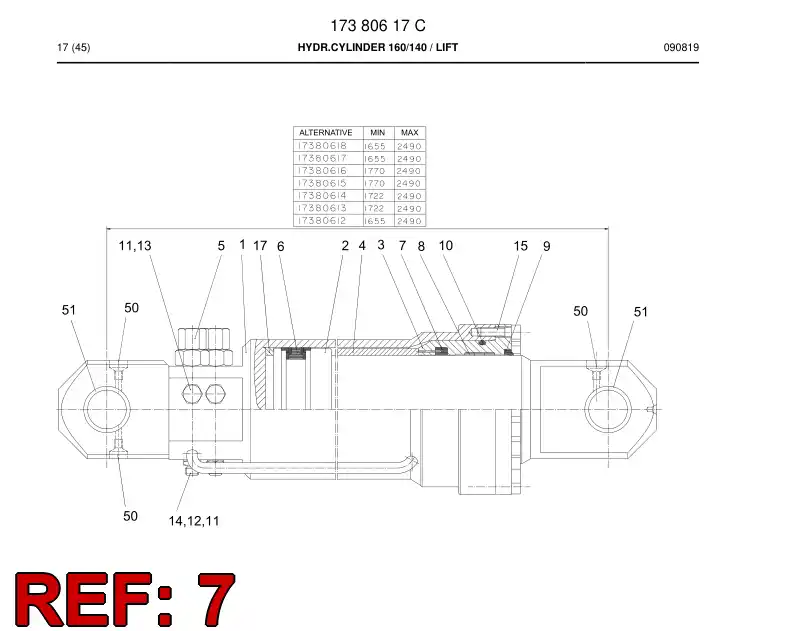
| Assembly | HYDR.CYLINDER 160/140 |
| Type | Drill Rig Spare Part |
Quick answer
865 761 69 (also written 86576169, 865-761-69, or 865.761.69) is a Sandvik seal, u spare part used in the HYDR.CYLINDER 160/140 assembly of the Sandvik DS510-C. Verified compatible with 2 Sandvik machine models including DS510-C, DT1132i. Available as an aftermarket replacement drill part from BK Drilling — Turkey-based Sandvik and Epiroc spare parts supplier serving mining contractors worldwide. Quote on request via WhatsApp; typical lead time 3-7 days for stock items.
Part code alternate forms: 86576169, 865 761 69, 865-761-69.
Compatible machines
2
OEM cross-reference
865 761 69
About Sandvik 865 761 69 Seal, U
This sealing component prevents hydraulic fluid leakage and contamination ingress in the Sandvik DS510-C hydraulic system. Located within the HYDR.CYLINDER 160/140, compromised seals lead to reduced drilling pressure, increased oil consumption, and potential damage to hydraulic pumps and valves.
This is an OEM-compatible aftermarket replacement part for the Sandvik DS510-C (DS510-C). Also compatible with Tamrock branded equipment of the same model series. BK Drilling supplies this part with fast worldwide shipping and competitive pricing.
Frequently asked questions
What happens when a hydraulic seal fails?
A failed hydraulic seal causes fluid leakage, leading to reduced system pressure, loss of machine force and speed, increased oil consumption, environmental contamination, and potential damage to pumps and valves operating without adequate fluid supply.
How can I identify worn seals in my drilling equipment?
Signs of seal wear include visible fluid leaks around cylinders and connections, reduced hydraulic system pressure, slower machine movements, increased oil consumption, and contaminated hydraulic fluid appearing milky or discolored.