Sandvik / Tamrock
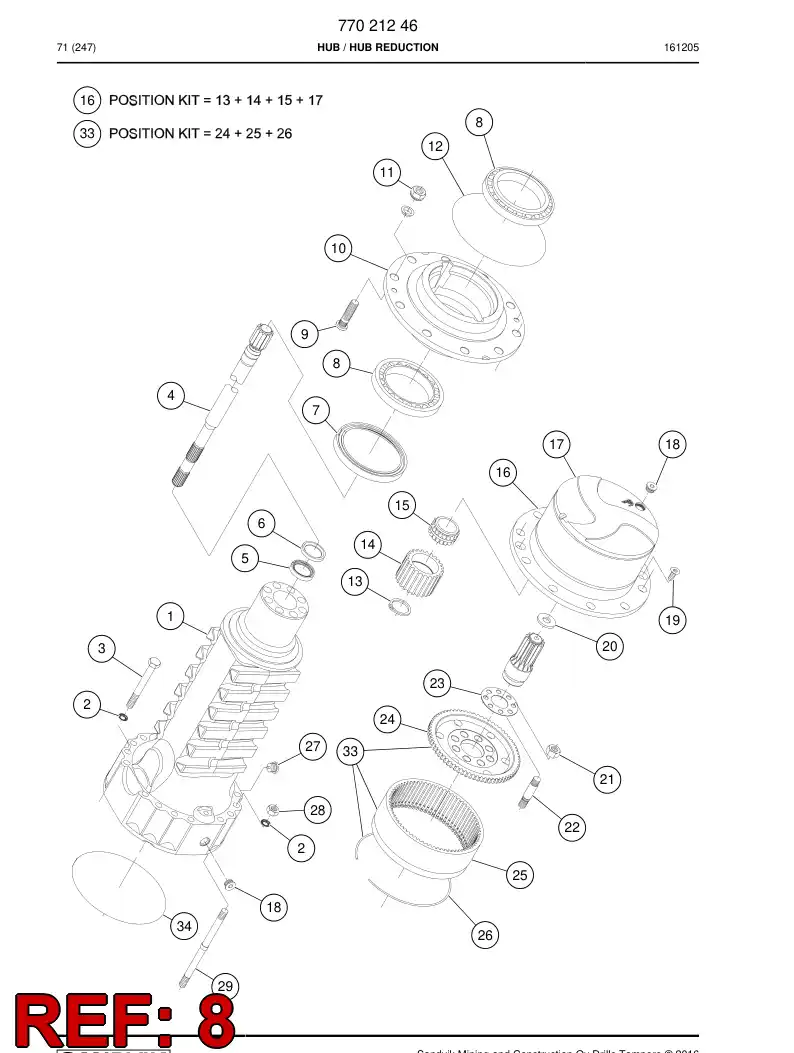
770 212 62 Bearing, Roller, TaperedRoulement

DL321-7
| Numéro de pièce | 770 212 62 |
| Description | Bearing, Roller, Tapered |
| Marque | Sandvik (Tamrock) |
| Assemblage | Hub |
| Type | Pièce de foreuse |
Réponse rapide
770 212 62 (également écrit 77021262, 770-212-62, ou 770.212.62) est une pièce de rechange Sandvik bearing, roller, tapered utilisée dans l'assemblage "Hub" de la Sandvik DL321-7 (pièces de rechange pour matériel de forage). Compatibilité vérifiée avec 1 modèles de machines Sandvik dont DL321-7. Disponible en pièce de rechange aftermarket auprès de BK Drilling — fournisseur basé en Turquie de pièces Sandvik et Epiroc pour les entrepreneurs miniers du monde entier. Devis sur WhatsApp ; délai de livraison typique 3-7 jours pour les articles en stock.
Formats alternatifs du code pièce : 77021262, 770 212 62, 770-212-62.
Machines compatibles
1
OEM cross-reference
770 212 62
À propos de Sandvik 770 212 62 Bearing, Roller, Tapered
770 212 62 Bearing, Roller, Tapered est une pièce de rechange aftermarket compatible OEM pour la Sandvik DL321-7. Utilisée dans l'assemblage « Hub ». Également compatible avec les équipements de marque Tamrock de la même série de modèles.
BK Drilling fournit cette pièce de forage avec une expédition rapide dans le monde entier et des prix compétitifs — devis sur WhatsApp.