Sandvik / Tamrock
560 349 52 Bearing, BallПодшипник
LH410
| Номер детали | 560 349 52 |
| Описание | Bearing, Ball |
| Бренд | Sandvik (Tamrock) |
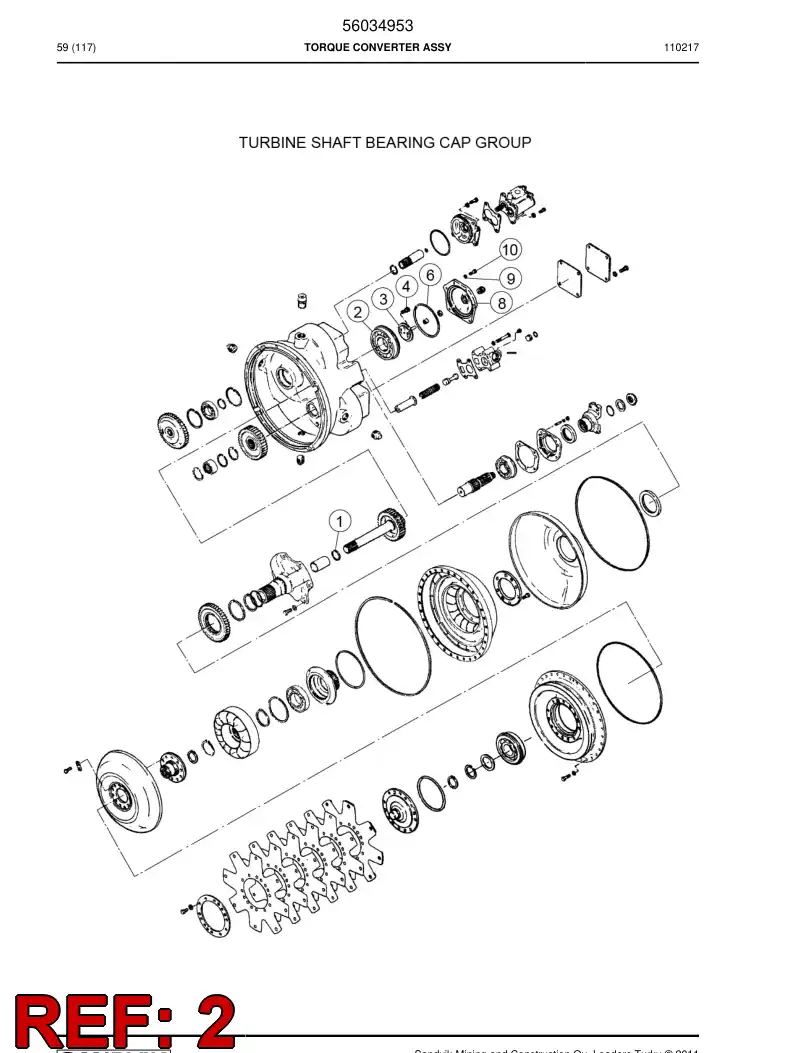
| Сборочная группа | 56208487 |
| Тип | Запчасть буровой установки |
Быстрый ответ
560 349 52 (также пишется 56034952, 560-349-52, или 560.349.52) — это Sandvik bearing, ball, запчасть для буровой установки, используемая в узле "56208487" машины Sandvik LH410 (запчасти для буровых установок / запасные части). Подтверждена совместимость с 1 моделями машин Sandvik, включая LH410. Доступна как aftermarket-замена от BK Drilling — поставщика запчастей Sandvik и Epiroc из Турции, обслуживающего горнодобывающих подрядчиков по всему миру. Запрос цены через WhatsApp; типичный срок поставки 3-7 дней при наличии.
Альтернативные форматы кода детали: 56034952, 560 349 52, 560-349-52.
Совместимые машины
1
OEM cross-reference
560 349 52
О детали Sandvik 560 349 52 Bearing, Ball
560 349 52 Bearing, Ball — OEM-совместимая неоригинальная запчасть (aftermarket) для Sandvik LH410. Используется в сборочной группе "56208487". Также совместима с оборудованием Tamrock той же серии моделей.
BK Drilling поставляет эту запчасть для буровой установки с быстрой доставкой по всему миру и конкурентоспособными ценами — запрос цены через WhatsApp.