Sandvik / Tamrock
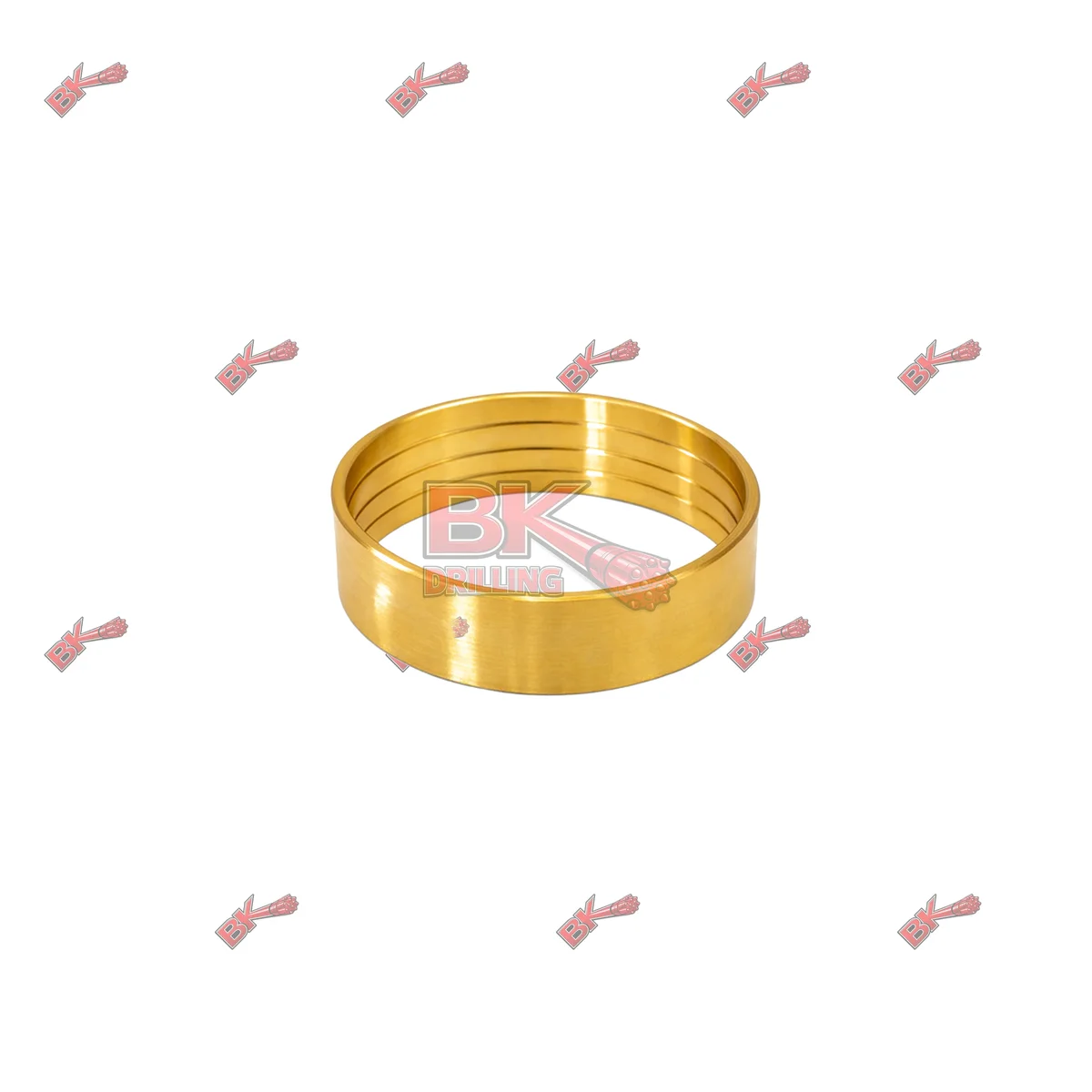
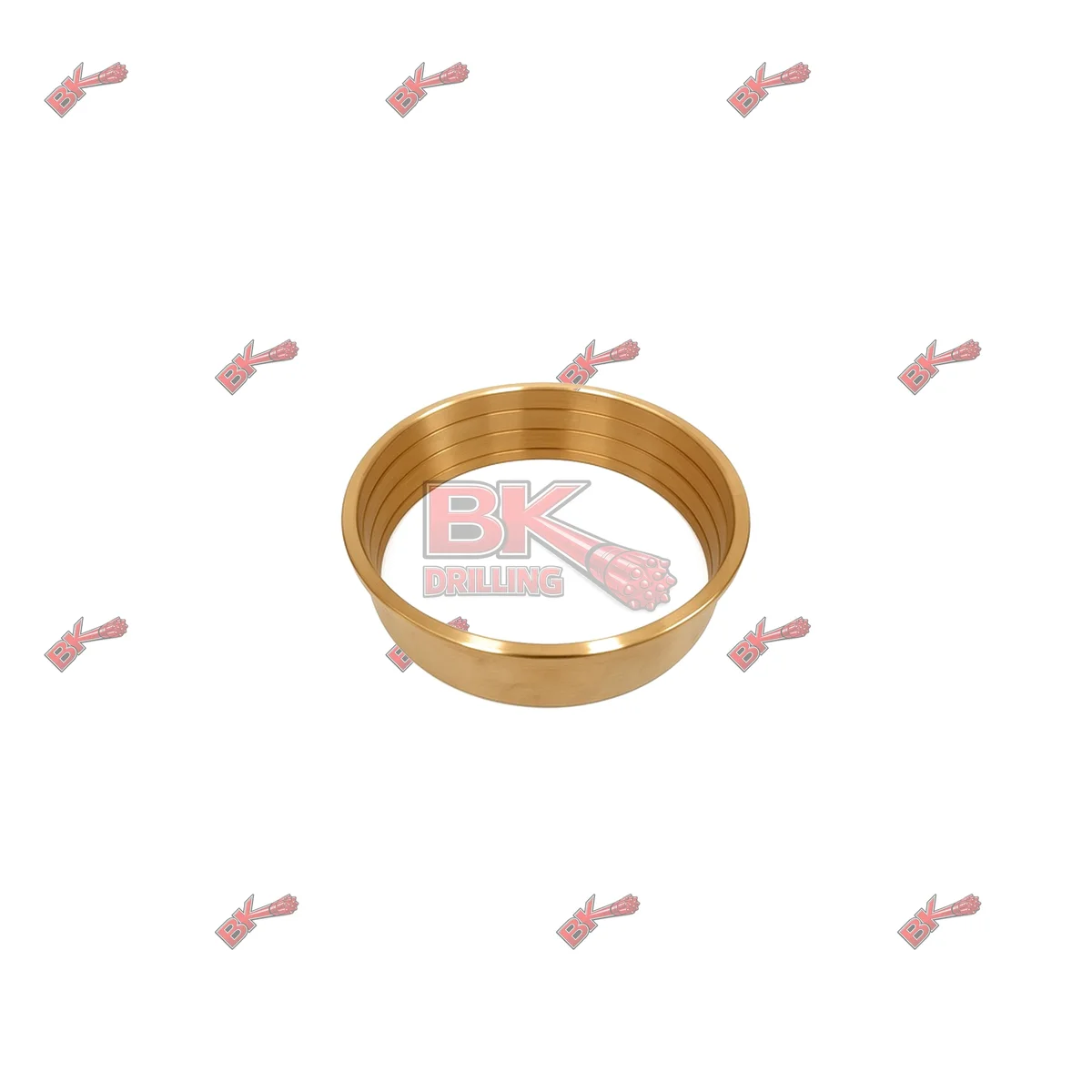
550 425 49c BushingBuje
Repuesto para perforadora (rock drill)
| Número de pieza | 550 425 49c |
| Descripción | Bushing |
| Marca | Sandvik (Tamrock) |
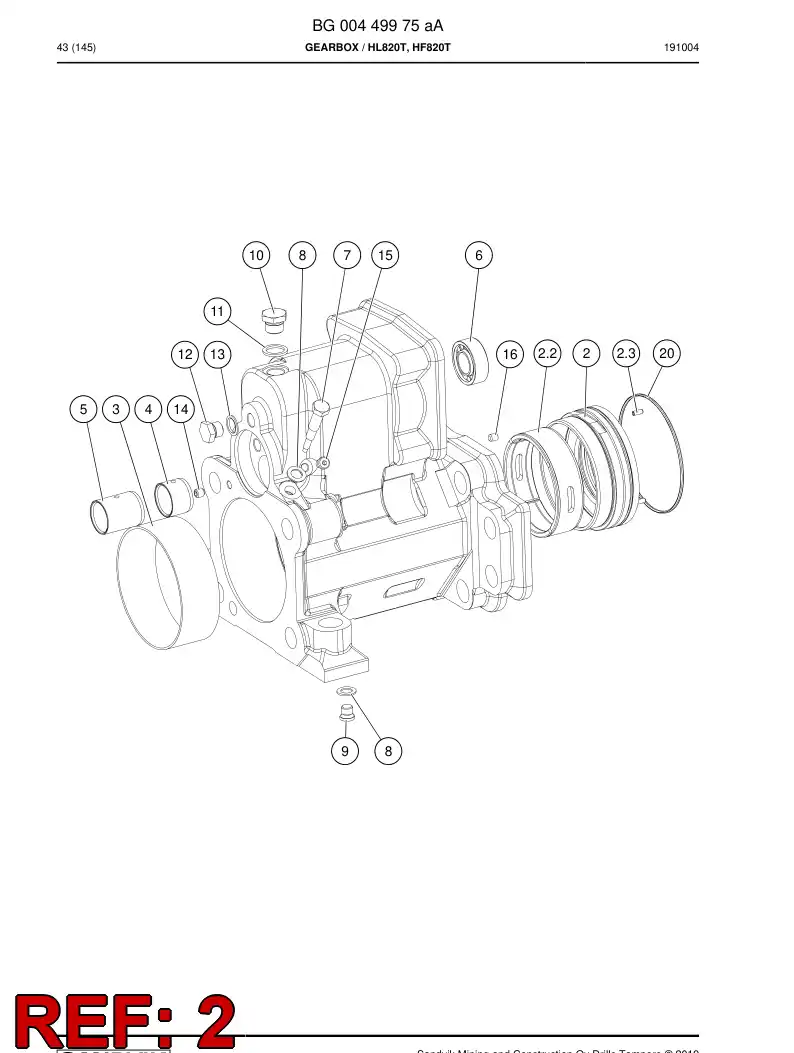
| Conjunto | Gearbox |
| Tipo | Repuesto para perforadora (rock drill) |
Respuesta rápida
550 425 49c (también escrito 55042549c, 550-425-49c, o 550.425.49c) es un repuesto Sandvik bushing utilizado en el conjunto "Gearbox" del Sandvik DL431-7C (repuestos de perforación / piezas de perforación). Compatibilidad verificada con 1 modelos de máquinas Sandvik incluyendo DL431-7C. Utilizado en 2 configuraciones de perforadora (HL700, HL710). Disponible como repuesto aftermarket de BK Drilling — proveedor con base en Turquía de repuestos Sandvik y Epiroc para contratistas mineros en todo el mundo. Cotización por WhatsApp; plazo típico de entrega 3-7 días para artículos en stock.
Formas alternativas del código de pieza: 55042549c, 550 425 49c, 550-425-49c.
Máquinas compatibles
1
Configuraciones de perforadora
2
OEM cross-reference
550 425 49c
Acerca de Sandvik 550 425 49c Bushing
550 425 49c Bushing es un repuesto aftermarket compatible con OEM para el Sandvik DL431-7C. Utilizado en el conjunto "Gearbox". También compatible con equipos de marca Tamrock de la misma serie de modelos.
BK Drilling suministra esta pieza de perforación con envío rápido a todo el mundo y precios competitivos — cotización por WhatsApp.