

Sandvik / Tamrock
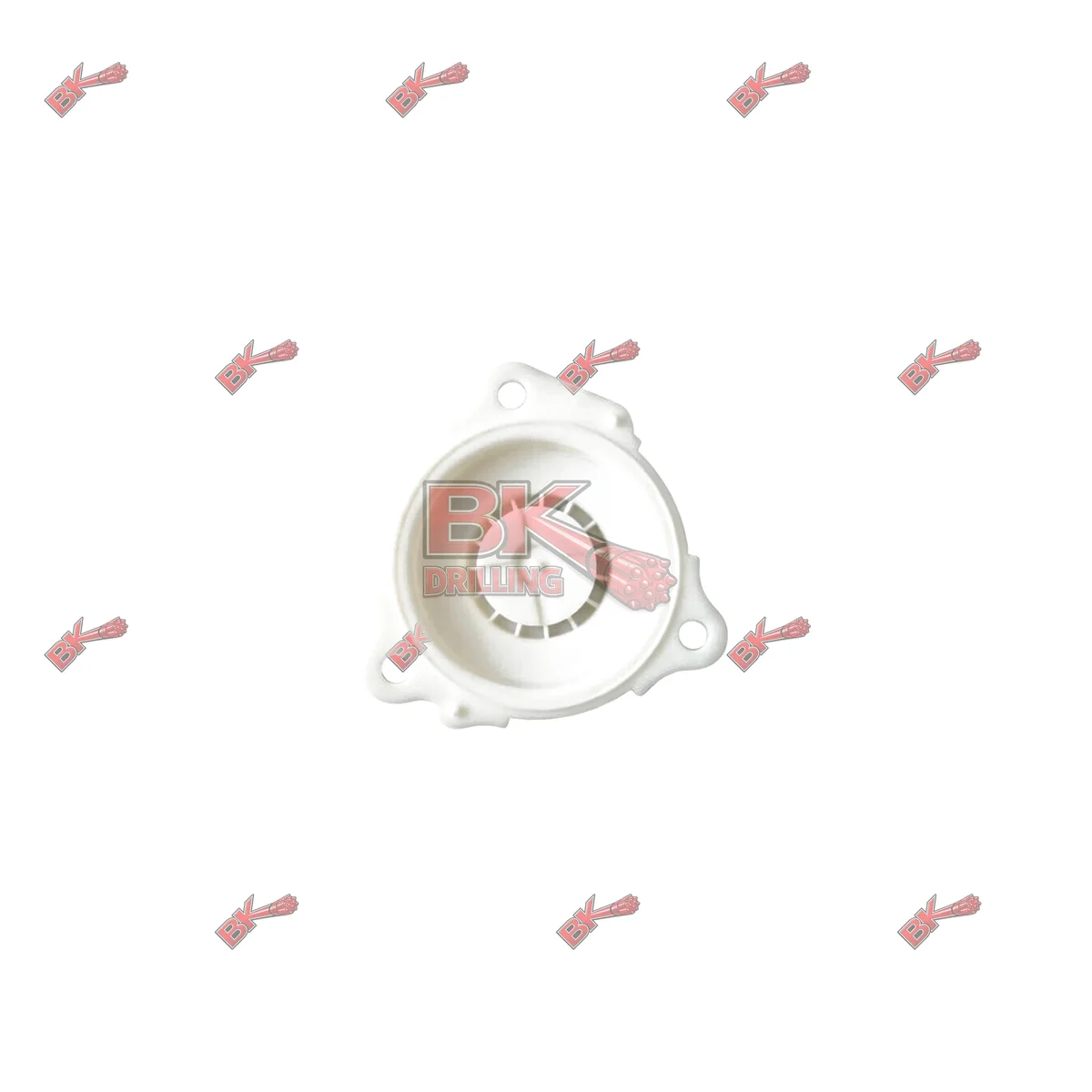
517 106 38 Bushing, Bearing
CHA700
| Part Number | 517 106 38 |
| Description | Bushing, Bearing |
| Brand | Sandvik (Tamrock) |
| Assembly | HYDRAULIC CYLINDER ( ZOOM ) |
| Type | Drill Rig Spare Part |
Quick answer
517 106 38 (also written 51710638, 517-106-38, or 517.106.38) is a Sandvik bushing, bearing spare part used in the HYDRAULIC CYLINDER ( ZOOM ) assembly of the Sandvik DC122R. Verified compatible with 17 Sandvik machine models including CHA560, CHA700, COMMANDO 120 RF. Available as an aftermarket replacement drill part from BK Drilling — Turkey-based Sandvik and Epiroc spare parts supplier serving mining contractors worldwide. Quote on request via WhatsApp; typical lead time 3-7 days for stock items.
Part code alternate forms: 51710638, 517 106 38, 517-106-38.
Compatible machines
17
OEM cross-reference
517 106 38
About Sandvik 517 106 38 Bushing, Bearing
A vital component in the HYDRAULIC CYLINDER ( ZOOM ) of the Sandvik DC122R, this bushing acts as a sacrificial wear element designed to protect more expensive surrounding components. Its precise dimensional tolerances ensure smooth operation and minimal vibration during drilling operations.
This is an OEM-compatible aftermarket replacement part for the Sandvik DC122R (DC122R). Also compatible with Tamrock branded equipment of the same model series. BK Drilling supplies this part with fast worldwide shipping and competitive pricing.
Frequently asked questions
What does a bushing do in a drilling machine?
A bushing acts as a wear-resistant liner that reduces friction between moving and stationary parts. It protects more expensive components from direct contact wear, extends service intervals, and maintains precise alignment of rotating elements in drilling equipment.
How often should bushings be replaced?
Bushing replacement intervals depend on operating conditions, but typical mining applications require inspection every 500-1000 operating hours. Signs of wear include increased play or vibration, unusual noise, and visible scoring or deformation of the bushing surface.