



Sandvik / Tamrock
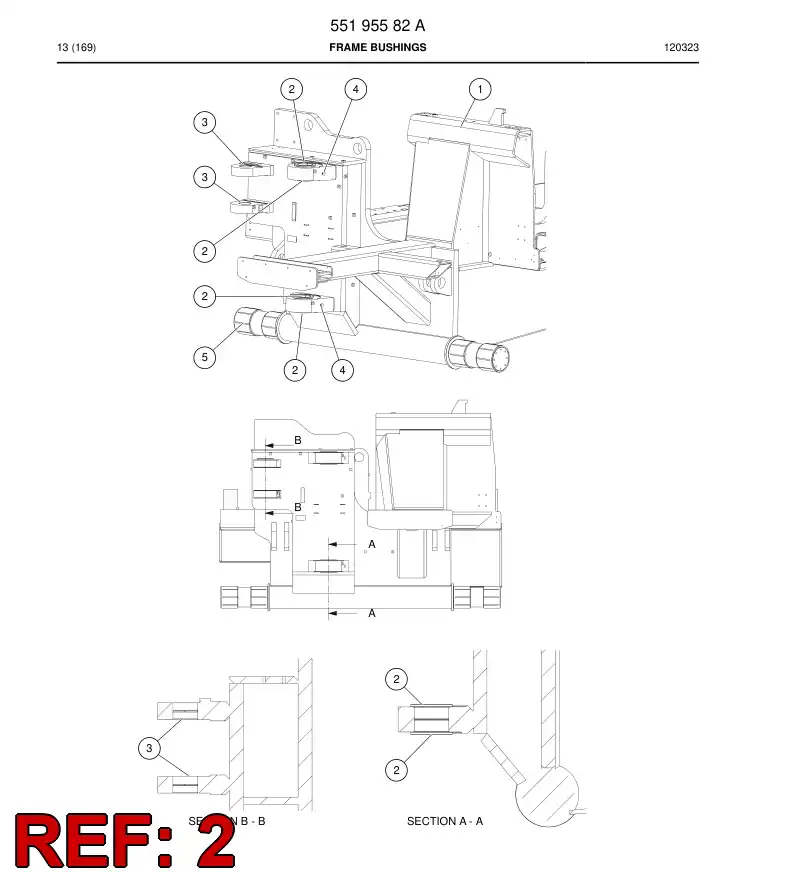
265 164 28 Bushing, BearingBurç
DI550
| Parça Numarası | 265 164 28 |
| Açıklama | Bushing, Bearing |
| Marka | Sandvik (Tamrock) |
| Montaj Grubu | REAR PART ASSY RIGHT |
| Tip | Sondaj Makinesi Yedek Parçası |
Uyumluluk
Makine Modelleri
Kısa cevap
265 164 28 (26516428, 265-164-28, veya 265.164.28 olarak da yazılır), Sandvik DI550 REAR PART ASSY RIGHT grubunda kullanılan bir Sandvik bushing, bearing yedek parçasıdır (sondaj yedek parça / matkap yedek parça). 8 Sandvik makine modeli ile uyumluluğu doğrulanmıştır (örnek: AXERA D07 RP-112, AXERA T11 DATA-315 C, AXERA T12 DATA-315 C). BK Drilling'den aftermarket yedek parça olarak temin edilebilir — Türkiye merkezli Sandvik ve Epiroc sondaj yedek parça tedarikçisi, dünya genelinde maden müteahhitlerine hizmet vermektedir. WhatsApp üzerinden teklif alın; stoktaki ürünler için tipik teslim süresi 3-7 gündür.
Parça kodu alternatif formlar: 26516428, 265 164 28, 265-164-28.
Uyumlu makineler
8
OEM cross-reference
265 164 28
Sandvik 265 164 28 Bushing, Bearing Hakkında
265 164 28 Bushing, Bearing, Sandvik DI550 için OEM-uyumlu aftermarket sondaj yedek parça / matkap yedek parçasıdır. REAR PART ASSY RIGHT montaj grubunda kullanılır. Aynı seri Tamrock markalı ekipmanlarla da uyumludur.
BK Drilling bu matkap yedek parçayı dünya geneline hızlı sevkiyat ve rekabetçi fiyatlarla tedarik eder — WhatsApp üzerinden teklif alın.