

Sandvik / Tamrock
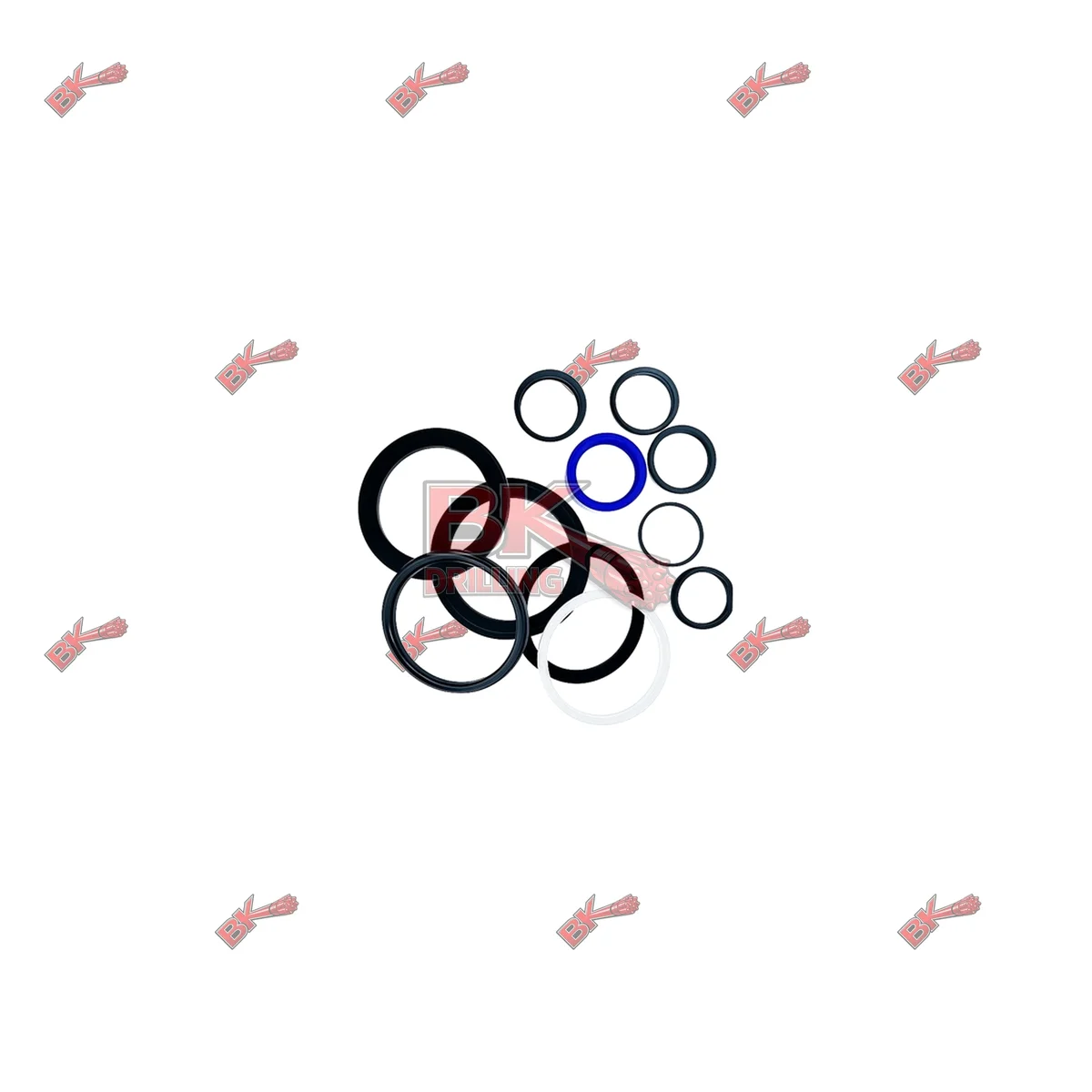
264 012 98a RUBBER SEALSızdırmazlık Elemanı
DL421-15C
| Parça Numarası | 264 012 98a |
| Açıklama | RUBBER SEAL |
| Marka | Sandvik (Tamrock) |
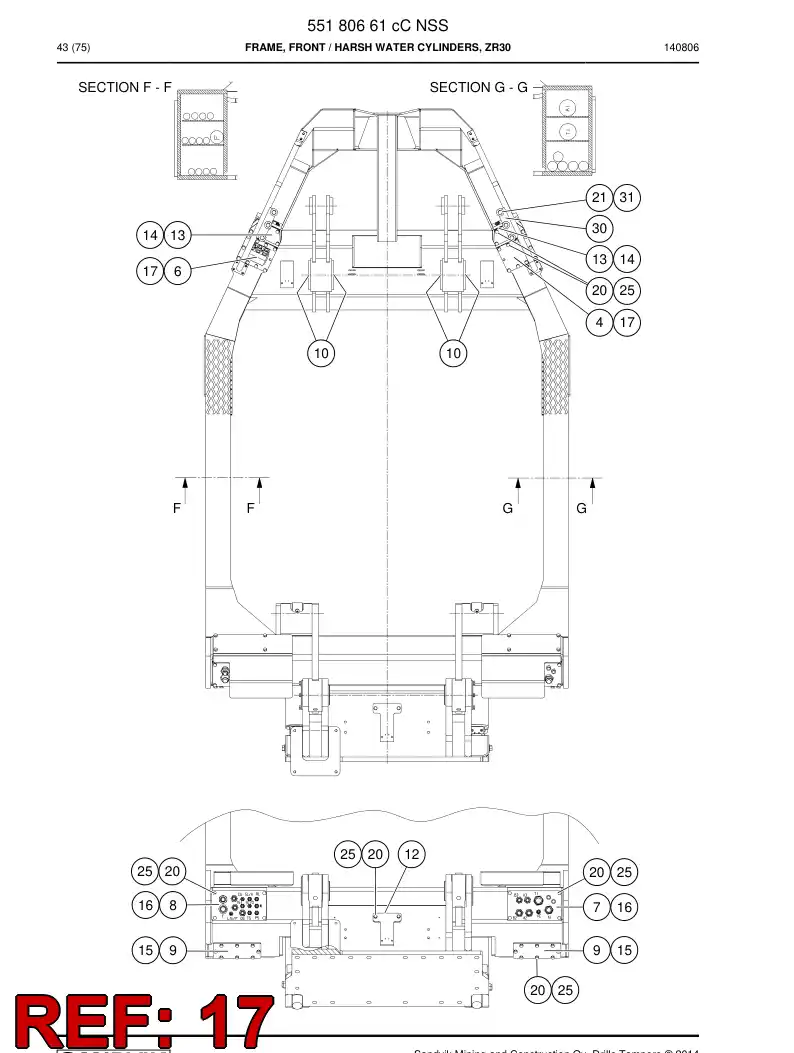
| Montaj Grubu | Frame, Front |
| Tip | Sondaj Makinesi Yedek Parçası |
Kısa cevap
264 012 98a (26401298a, 264-012-98a, veya 264.012.98a olarak da yazılır), Sandvik DX700 Frame, Front grubunda kullanılan bir Sandvik rubber seal yedek parçasıdır (sondaj yedek parça / matkap yedek parça). 4 Sandvik makine modeli ile uyumluluğu doğrulanmıştır (örnek: DL321-7, DL421-15C, DL421-7C). BK Drilling'den aftermarket yedek parça olarak temin edilebilir — Türkiye merkezli Sandvik ve Epiroc sondaj yedek parça tedarikçisi, dünya genelinde maden müteahhitlerine hizmet vermektedir. WhatsApp üzerinden teklif alın; stoktaki ürünler için tipik teslim süresi 3-7 gündür.
Parça kodu alternatif formlar: 26401298a, 264 012 98a, 264-012-98a.
Uyumlu makineler
4
OEM cross-reference
264 012 98a
Sandvik 264 012 98a RUBBER SEAL Hakkında
264 012 98a RUBBER SEAL, Sandvik DX700 için OEM-uyumlu aftermarket sondaj yedek parça / matkap yedek parçasıdır. Frame, Front montaj grubunda kullanılır. Aynı seri Tamrock markalı ekipmanlarla da uyumludur.
BK Drilling bu matkap yedek parçayı dünya geneline hızlı sevkiyat ve rekabetçi fiyatlarla tedarik eder — WhatsApp üzerinden teklif alın.