Epiroc / Atlas Copco
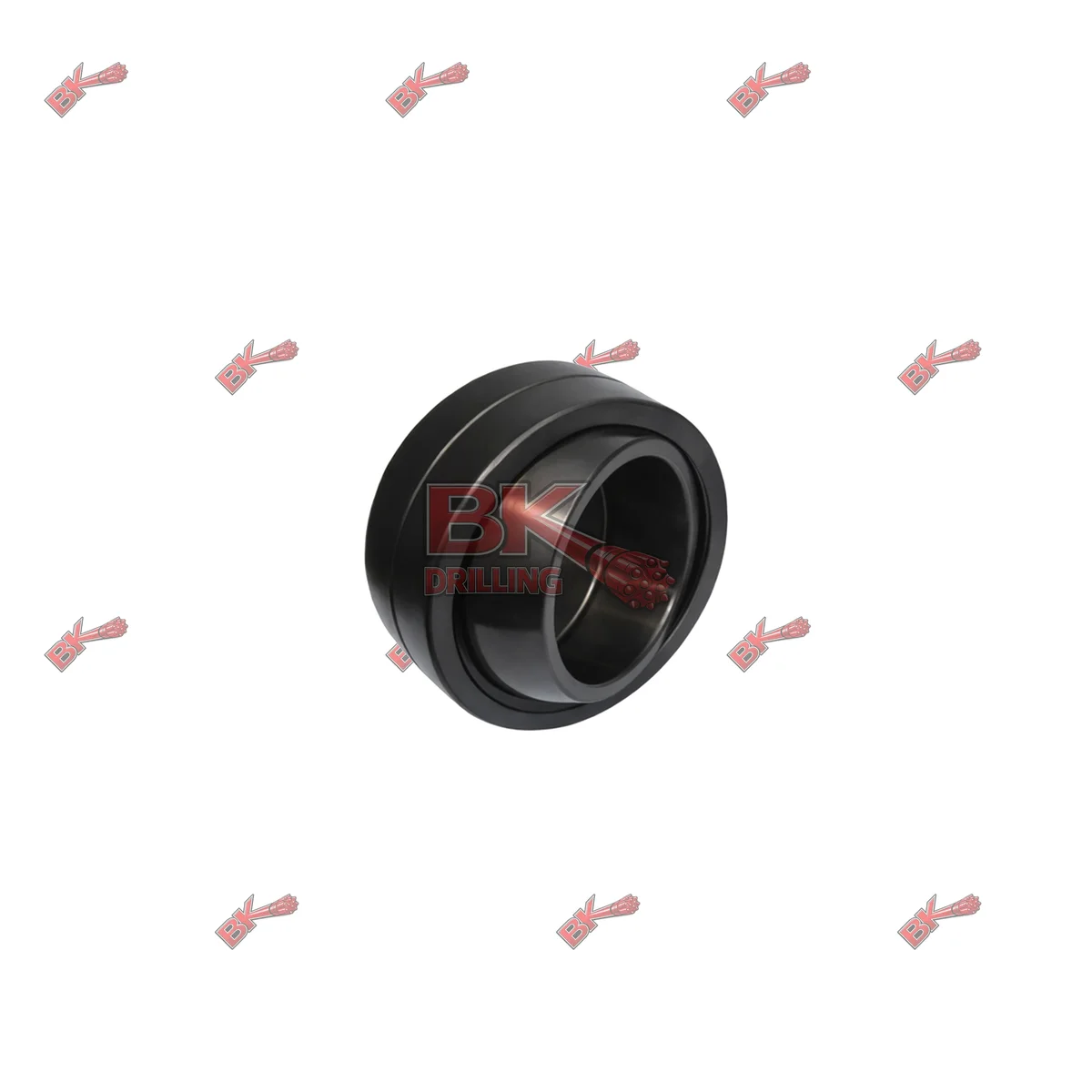
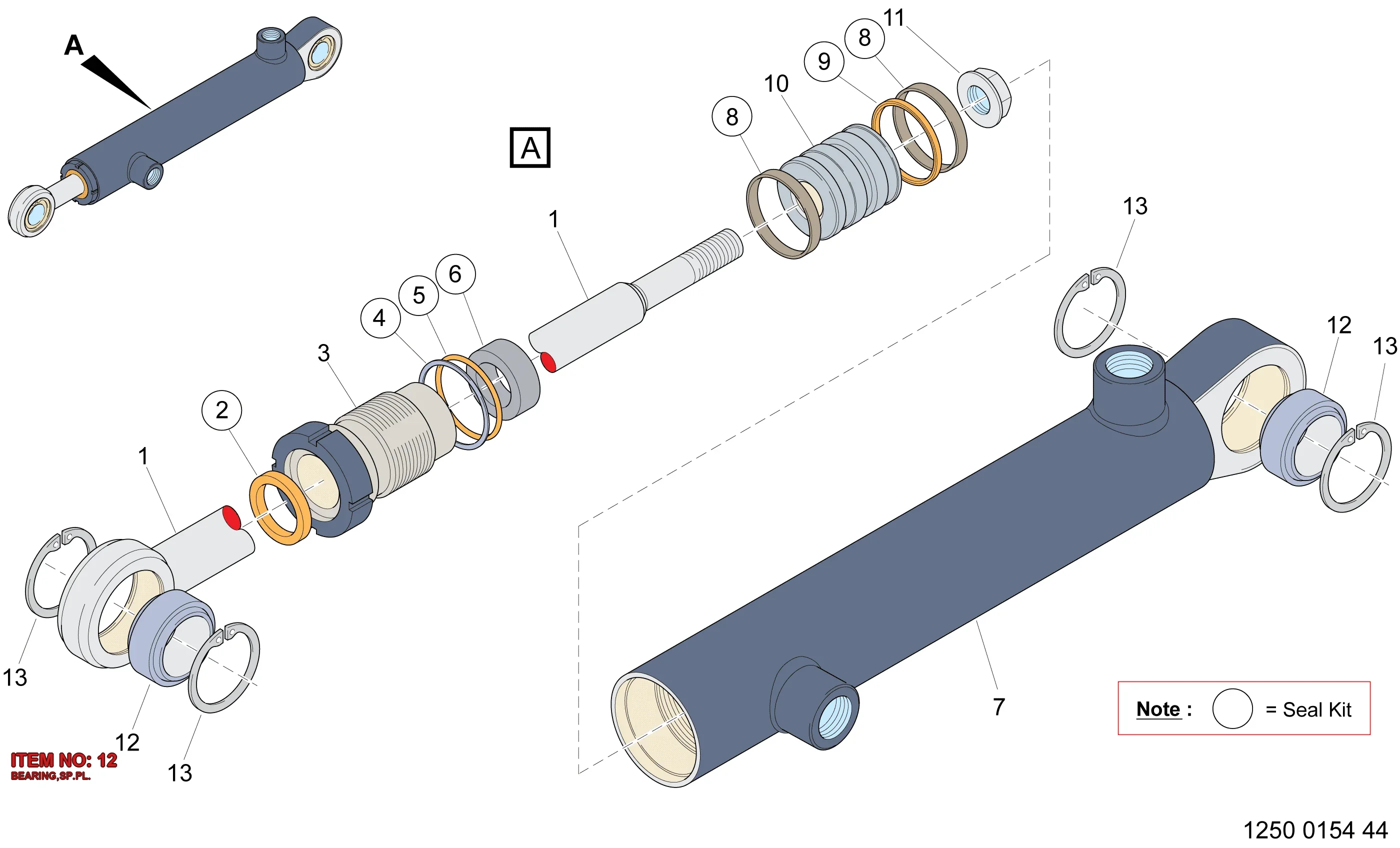
3218 2006 80 BEARING,SP.PL.
FlexiROC T35 Drill Rig Spare Part
| Part Number | 3218 2006 80 |
| Description | BEARING,SP.PL. |
| Brand | Epiroc (Atlas Copco) |
| Assembly | HYDR. CYLINDER |
| Type | Drill Rig Spare Part |
Quick answer
3218 2006 80 (also written 3218200680, 3218-2006-80, or 3218.2006.80) is a Epiroc bearing,sp.pl. spare part used in the HYDR. CYLINDER assembly of the Epiroc FlexiROC T35. Verified compatible with 2 Epiroc machine models including ROC D7-11, FlexiROC T35. Available as an aftermarket replacement drill part from BK Drilling — Turkey-based Sandvik and Epiroc spare parts supplier serving mining contractors worldwide. Quote on request via WhatsApp; typical lead time 3-7 days for stock items.
Part code alternate forms: 3218200680, 3218 2006 80, 3218-2006-80.
Compatible machines
2
OEM cross-reference
3218 2006 80
About Epiroc 3218 2006 80 BEARING,SP.PL.
This high-performance bearing is designed for the Sandvik FlexiROC T35 and serves a critical role in the HYDR. CYLINDER. It supports rotating elements under heavy axial and radial loads typical in underground and surface drilling applications, ensuring smooth and reliable machine operation.
This is an OEM-compatible aftermarket replacement part for the Epiroc FlexiROC T35 (FlexiROC T35). BK Drilling supplies this part with fast worldwide shipping and competitive pricing.
Frequently asked questions
Why are bearings critical in drilling equipment?
Bearings support rotating shafts and components under extreme loads and vibrations. Failed bearings can cause catastrophic damage to gearboxes, drive trains, and drilling mechanisms, leading to extended downtime and costly repairs.
What causes premature bearing failure in mining equipment?
Common causes include contamination from dust and water ingress, misalignment during installation, excessive loads, inadequate lubrication, and operating beyond rated temperature ranges. Proper sealing and regular lubrication schedules are essential preventive measures.